

Not every wall crack needs major repair. Sometimes it is just a small paint crack, nail hole, or gap between wall and frame. But using the wrong product can cause the crack to come back, the paint to peel, or the repair patch to look uneven after painting.
The key is to understand the difference between filler, putty, and sealant.
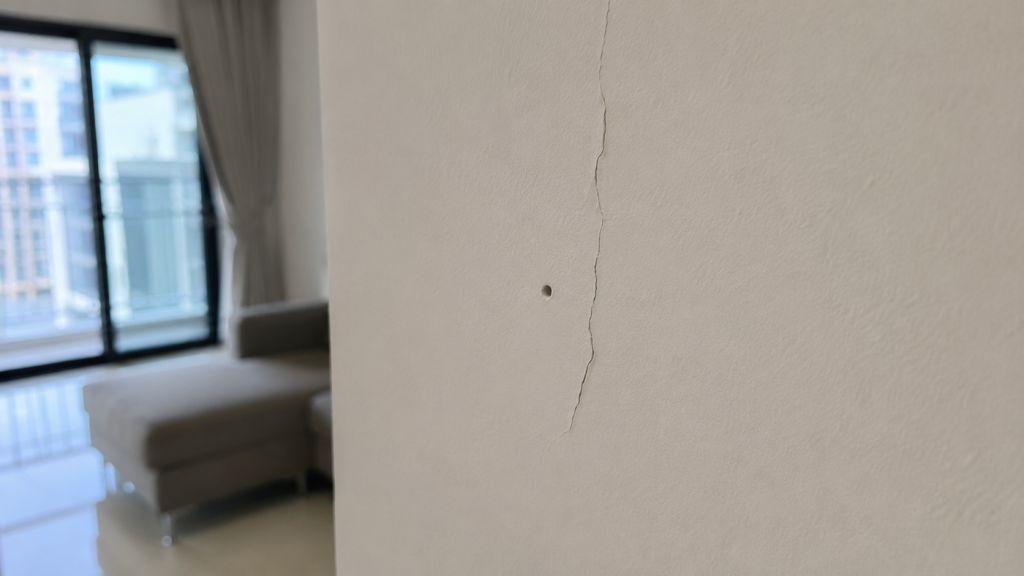
1. First, Check What Kind of Problem You Have
Before buying any repair product, look at the wall carefully.
Common Minor Wall Problems
You may be able to repair it yourself if it is:
- Small nail hole
- Hairline crack on painted wall
- Small dent on plaster wall
- Gap between wall and door frame
- Small hole from screw plug
- Minor surface damage after removing hooks or shelves
Be Careful If You See These Signs
You may need a contractor or building inspection if the crack is:
- Getting longer or wider over time
- Diagonal crack near door or window corner
- Crack wider than 3mm to 5mm
- Wall feels hollow, loose, or damp
- Crack comes with water stain or mould
- Crack appears on structural beam, column, or ceiling slab
For serious cracks, filler only hides the problem. It does not solve the root cause.

Filler vs Putty vs Sealant: What Is the Difference?
Wall Filler
Best for: filling holes, dents, and small cracks.
Wall filler is used to repair damaged areas before painting. It dries hard and can usually be sanded smooth.
Use wall filler for:
- Nail holes
- Screw holes
- Small dents
- Hairline wall cracks
- Small damaged plaster areas
Best used on:
- Painted wall
- Cement plaster wall
- Concrete wall
- Dry indoor wall surface
Wall Putty
Best for: smoothing the wall surface before painting.
Wall putty is not mainly for deep holes. It is used as a thin finishing layer to make the wall surface smoother.
Use wall putty for:
- Uneven wall surface
- Fine surface imperfections
- Preparing wall before painting
- Smoothing repaired areas after filler
Best used on:
- Interior plaster wall
- Painted wall before repainting
- Cement wall surface
Simple way to understand:
Filler repairs damage. Putty smooths the surface.
Sealant
Best for: flexible gaps and joints.
Sealant is different from filler and putty. It stays more flexible, so it is better for areas that may move slightly.
Use sealant for:
- Gap between wall and door frame
- Gap between wall and window frame
- Gap between wall and skirting
- Bathroom or kitchen corner gaps
- Small movement joints
Common types of sealant:
- Acrylic sealant – paintable, good for indoor wall gaps
- Silicone sealant – waterproof, good for bathroom and wet areas, but usually not paintable
- PU sealant – stronger and more flexible, good for bigger joints or exterior areas

Quick Guide: Which Product Should You Use?
| Problem | Best Product to Use | Why |
|---|---|---|
| Nail hole on wall | Wall filler | Easy to apply, dries hard, can sand and paint |
| Small screw hole | Wall filler | Fills deeper than putty |
| Hairline crack on painted wall | Wall filler or acrylic filler | Can cover small crack before repainting |
| Uneven wall surface | Wall putty | Gives smoother finishing |
| Gap between wall and door frame | Acrylic sealant | Flexible and paintable |
| Gap in bathroom area | Silicone sealant | Better water resistance |
| Exterior wall gap | Weatherproof acrylic or PU sealant | Better for movement and outdoor exposure |
| Larger hole in plaster wall | Patching compound + mesh tape | Stronger repair needed |
| Crack keeps coming back | Check root cause first | May be movement or water issue |
How to Repair a Small Wall Hole
What You Need
- Wall filler
- Scraper or putty knife
- Sandpaper
- Clean cloth
- Paint and brush
Steps
1. Clean the Hole
Remove dust, loose paint, and broken plaster. The surface must be clean and dry.
2. Apply Wall Filler
Use a scraper or putty knife to press the filler into the hole. Do not only apply on the surface. Make sure the hole is properly filled.
3. Smooth the Surface
Scrape away extra filler so the repair area is slightly level with the wall.
4. Let It Dry
Follow the product drying time. Thicker repair areas need longer drying time.
5. Sand It Smooth
After it dries, sand lightly until the surface becomes flat.
6. Paint Over It
For best result, apply primer first before repainting, especially if the repaired area looks different from the wall.

How to Repair a Small Wall Crack
For small hairline cracks, you can use wall filler or acrylic crack filler.
Steps
- Open the crack slightly with a scraper if there is loose paint.
- Clean the dust.
- Apply filler into the crack.
- Let it dry fully.
- Sand smooth.
- Apply primer and repaint.
If the crack appears again quickly, the wall may still be moving. In that case, normal filler may not be enough.
When Should You Use Acrylic Sealant Instead of Filler?
Use acrylic sealant when the gap is between two different materials, for example:
- Wall and timber door frame
- Wall and aluminium window frame
- Wall and skirting board
- Wall and cabinet side panel
These areas may expand and shrink slightly. If you use hard filler, it may crack again. Acrylic sealant is better because it has some flexibility and can usually be painted over.

When Should You Use Silicone Sealant?
Use silicone sealant for wet areas, such as:
- Bathroom wall corner
- Around basin area
- Around shower screen
- Kitchen sink area
- Wet area gaps
Silicone is water-resistant, but most silicone cannot be painted. So do not use silicone on a wall area that you plan to repaint unless the product clearly says it is paintable.

Common Mistakes to Avoid
1. Using Putty to Fill Deep Holes
Putty is better for smoothing, not for deep repair. For nail holes and screw holes, use filler.
2. Painting Before the Filler Is Dry
If the filler is still wet inside, the paint may peel, bubble, or show a patch mark.
3. Using Silicone on Paintable Wall Gaps
Silicone usually does not hold paint well. Use acrylic sealant if you need to paint over it.
4. Ignoring Damp Wall Problems
If the wall is damp, filler will not last. Solve the water leakage or moisture problem first.
5. Applying Too Much Filler at Once
For deeper holes, apply in layers. Thick filler may crack or take a long time to dry.
Simple Buying Guide
When choosing wall repair products, check these points:
- Is it for indoor or outdoor use?
- Is it paintable?
- Is it suitable for cement wall, plaster wall, or gypsum board?
- Is the area dry or wet?
- Is the gap static or moving?
- How big is the hole or crack?
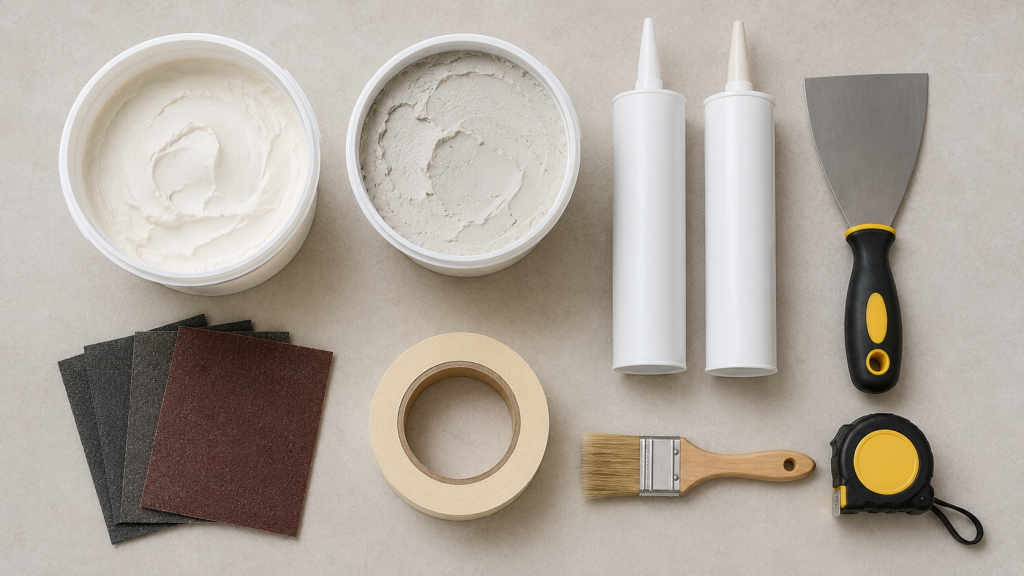
For most home repairs, these are useful items to keep at home:
- Ready-mixed wall filler
- Wall putty
- Acrylic sealant
- Silicone sealant
- Scraper / putty knife
- Sandpaper
- Masking tape
Related Products to Consider
Depending on the repair area, these products may help:
- Wall filler for nail holes, screw holes, small dents, and small cracks.
- Wall putty for smoothing rough wall surfaces before painting.
- Acrylic sealant for paintable gaps around door frames, window frames, skirting, and cabinets.
- Silicone sealant for wet areas like bathroom basins, shower screens, and kitchen sink corners.
- Basic repair tools such as scraper, putty knife, sandpaper, masking tape, primer, and paint brush.
Before buying, check whether the area is dry or wet, whether you need to paint over it, and how big the hole, crack, or gap is.
Final Recommendation
For simple wall repairs, remember this rule:
Use filler for holes and cracks.
Use putty for smoothing.
Use sealant for flexible gaps and wet areas.
Choosing the right product helps your wall repair last longer and gives a cleaner finish after painting. For small nail holes, wall filler is usually enough. For wall gaps near frames, use acrylic sealant. For bathroom or kitchen wet areas, use silicone sealant. For serious or growing cracks, do not just cover it — check the cause first.
If you are not sure which product to use, take a clear photo of the crack, hole, or gap and measure the size before buying.