
If you’ve ever stood in a hardware store staring at two tools that look almost identical, you’re not alone. The drill and the impact driver are both handheld, both battery-powered, and both designed to drive things into other things — so what’s the big deal?
The difference matters more than most people think. Use the wrong tool and you’ll either strip your screws, crack your workpiece, or spend twice as long on a job that should’ve taken minutes. Here’s how to tell them apart and pick the right one for the work you actually do.
What Is a Drill?
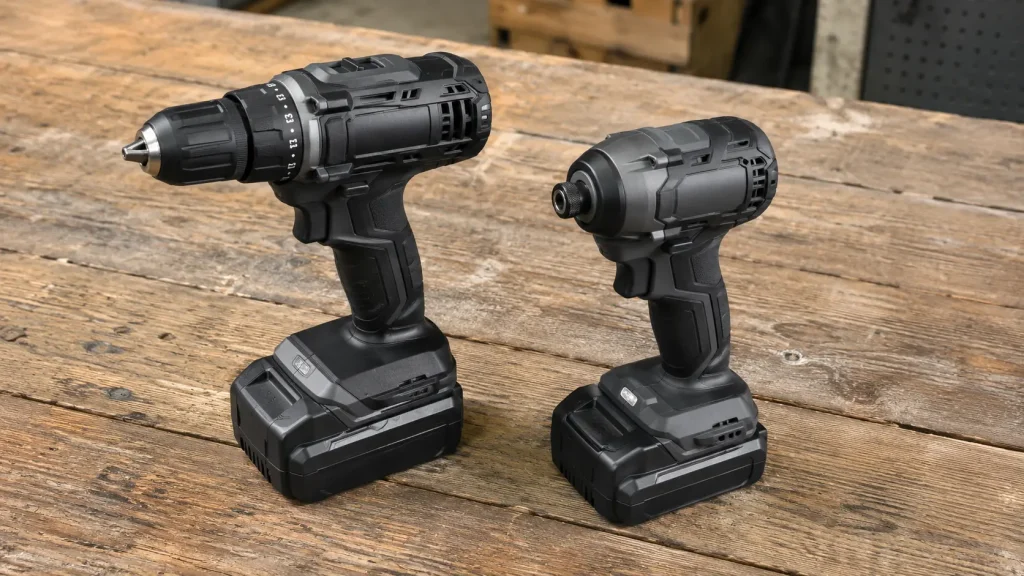
A drill does exactly what the name says — it drills holes. It spins a bit in a continuous rotation, which makes it the go-to tool for boring holes into wood, metal, plastic, and masonry (with the right bit).
Most drills also have a clutch, which is the numbered ring near the chuck. This lets you control how much torque is applied, which is useful when driving screws because you can stop the drill before it strips the head or sinks too deep.
Best for:
- Drilling holes of any size
- Driving screws where precision matters (into soft materials, near edges, into sheet materials)
- Jobs that need controlled, adjustable torque
What Is an Impact Driver?
An impact driver looks similar to a drill but works very differently inside. In addition to rotating, it delivers rapid concussive bursts — called impacts — along the rotational axis. This hammering action multiplies torque significantly, letting the driver power through resistance that would stall a regular drill.
The trade-off is control. Impact drivers are fast and powerful, but they don’t have a clutch. Once you pull the trigger, they go until the fastener is home — which means you need to develop a feel for when to ease off.
Best for:
- Driving long or large screws quickly
- Working with lag bolts, structural screws, and decking
- High-volume fastening tasks (building a fence, assembling furniture, framing)
The Key Differences at a Glance
| Feature | Drill | Impact Driver |
|---|---|---|
| Primary use | Drilling holes + driving screws | Driving screws and fasteners |
| Torque control | Yes (adjustable clutch) | No |
| Power output | Moderate | High |
| Chuck type | Keyless 3-jaw chuck | ¼” hex chuck |
| Bit compatibility | Round and hex shanks | Hex shank only |
| Size and weight | Slightly larger | More compact |
| Best for | Precision work | Speed and power |
When Should You Use a Drill?
Reach for your drill when accuracy matters more than speed.
Drilling Holes
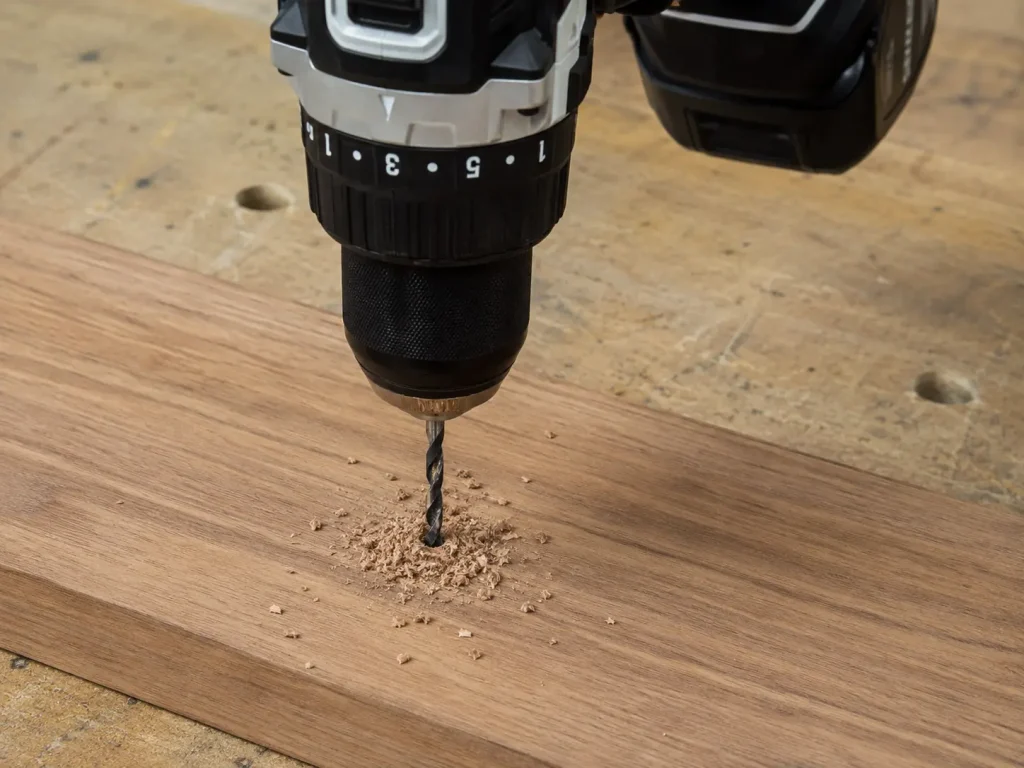
This is the drill’s core strength. Whether you’re making a pilot hole before screwing, drilling through tile, or boring a large hole with a spade bit — nothing replaces a proper drill for this job.
Driving Screws Into Soft or Delicate Materials
The clutch on a drill lets you set a torque limit, so you won’t accidentally split timber or sink a screw too deep into drywall. For fine woodworking, cabinetry, or anything where the surface finish matters, the drill gives you control that an impact driver simply doesn’t offer.
Using Non-Hex Shank Bits
Drill bits with round shanks — like most spade bits, hole saws, and larger twist bits — won’t fit an impact driver’s ¼” hex chuck. A drill handles these without issue.
When Should You Use an Impact Driver?
Reach for your impact driver when you need to move fast and the material can handle it.
Long Screws and Large Fasteners
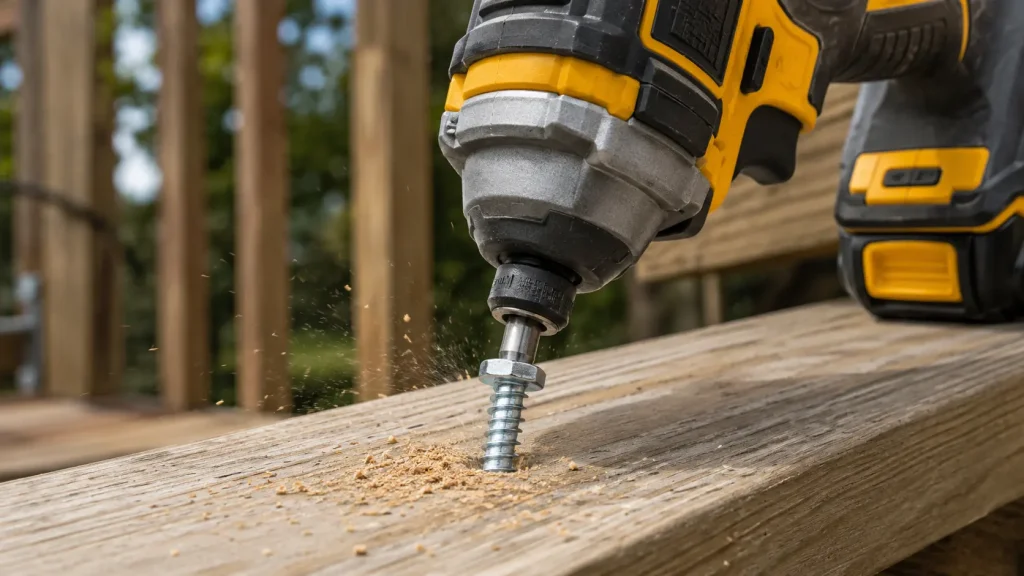
A 100mm structural screw would bog down or stall a regular drill. An impact driver punches through without breaking a sweat. The impacts break the friction resistance that builds up as a screw goes deeper into dense timber.
High-Volume Fastening
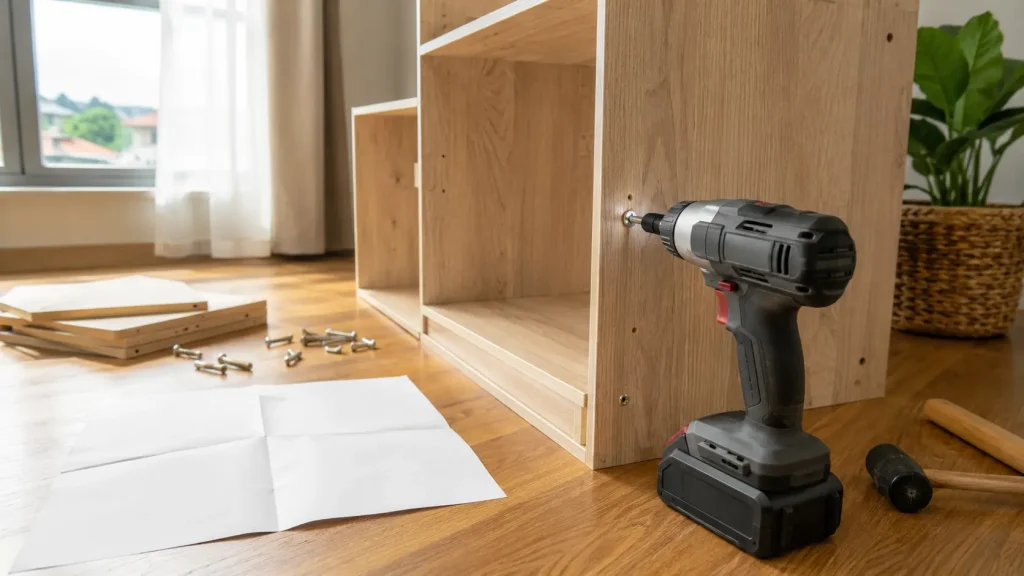
Building a deck, assembling flat-pack furniture, or putting up wall battens? The impact driver saves serious time. It’s faster to use and less fatiguing on your wrist because the impacts absorb the torque reaction rather than pushing it back into your hand.
Working in Tight Spaces
Impact drivers are generally more compact than drills. That shorter body length can make a real difference when you’re working in a cabinet, under a sink, or between wall studs.
Do You Actually Need Both?
For most homeowners doing general repairs and DIY — honestly, yes. But if you’re just starting out and can only buy one, here’s the practical answer:
Buy a drill first if you do a variety of tasks — hanging pictures, small repairs, drilling into walls, occasional furniture assembly. The clutch and versatility make it the more forgiving all-rounder.
Buy an impact driver first if most of your work involves driving screws — building outdoor structures, installing timber flooring, assembling large furniture. You’ll cover 80% of fastening tasks faster and with less effort.
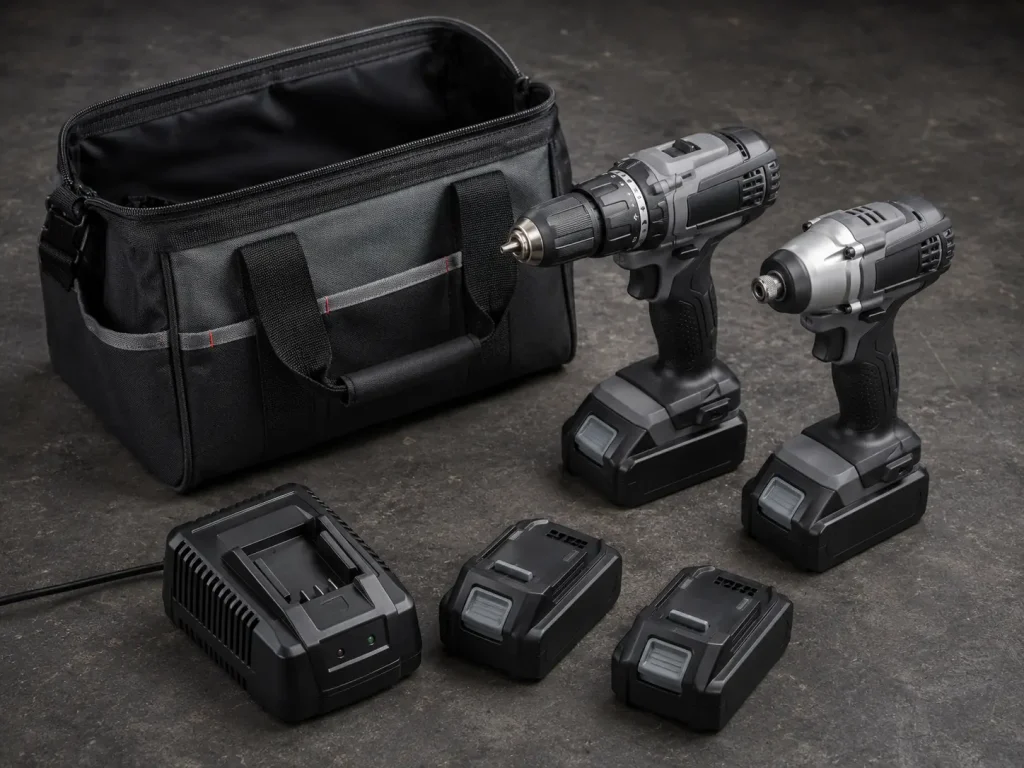
The good news is that most brands sell combo kits — a drill and impact driver together — for significantly less than buying them separately. If you’re buying new, the combo kit almost always makes more financial sense.
A Quick Note on Bits
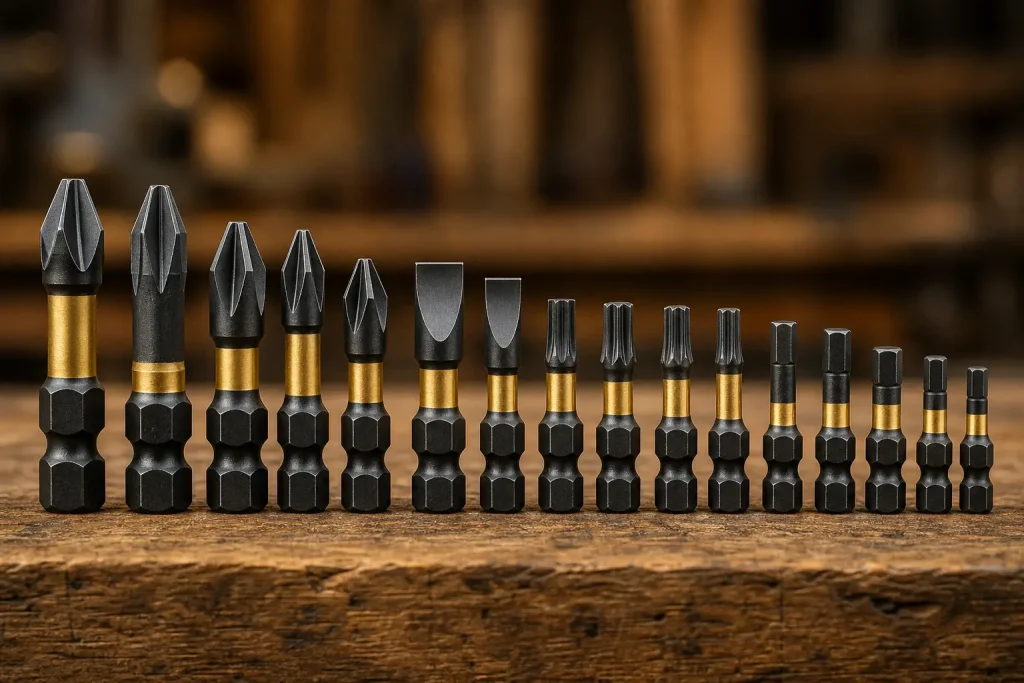
Impact drivers require impact-rated hex shank bits. Regular drill bits can shatter under the hammering action because they’re not designed to absorb that kind of stress. When buying bits for your impact driver, always check that they’re rated for impact use — you’ll usually see “impact” in the product name or packaging.
For your drill, standard bits work fine. If you want a bit that works well in both tools, impact-rated hex shank bits can be used in drills too.
The Bottom Line
A drill and an impact driver aren’t competitors — they’re complements. The drill gives you control and versatility. The impact driver gives you speed and power for high-torque fastening jobs.
If you’re building or renovating, you’ll eventually want both. If you’re just maintaining a home, start with whichever matches the work you do most. Either way, knowing the difference means you’ll use the right tool every time — and your results will show it.
Not sure which model to go with? Browse our tool range at FixRight and find the right drill or impact driver for your budget and project.