

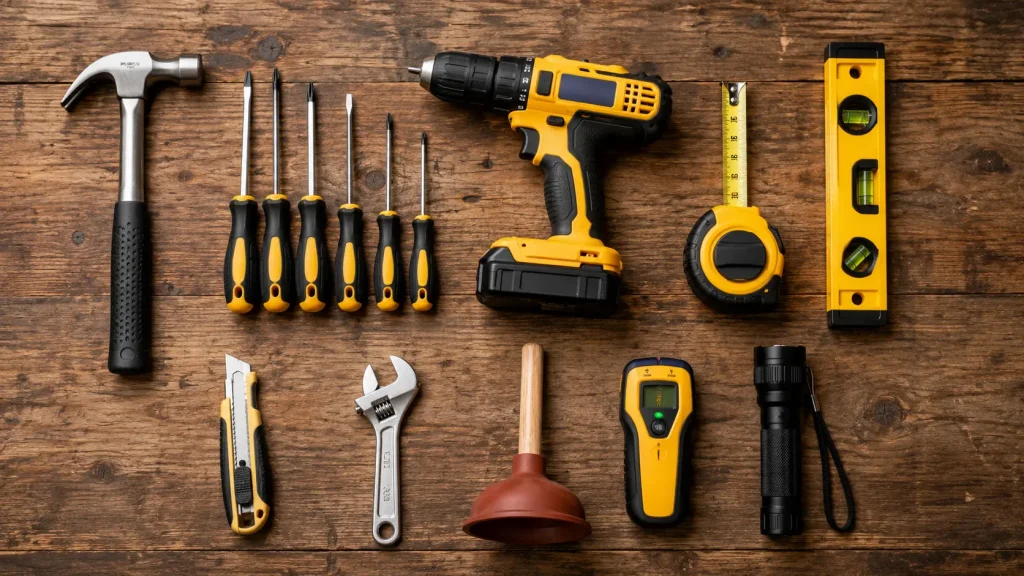
There’s a specific kind of panic that comes at 10 p.m. on a Sunday when a pipe is leaking, a shelf has collapsed, or a door won’t close properly — and you have nothing to fix it with. The difference between a minor inconvenience and an expensive emergency often comes down to one thing: being prepared before the problem shows up.
You don’t need a fully stocked workshop. You just need to know which tools every homeowner should own — and have them ready before something goes wrong.
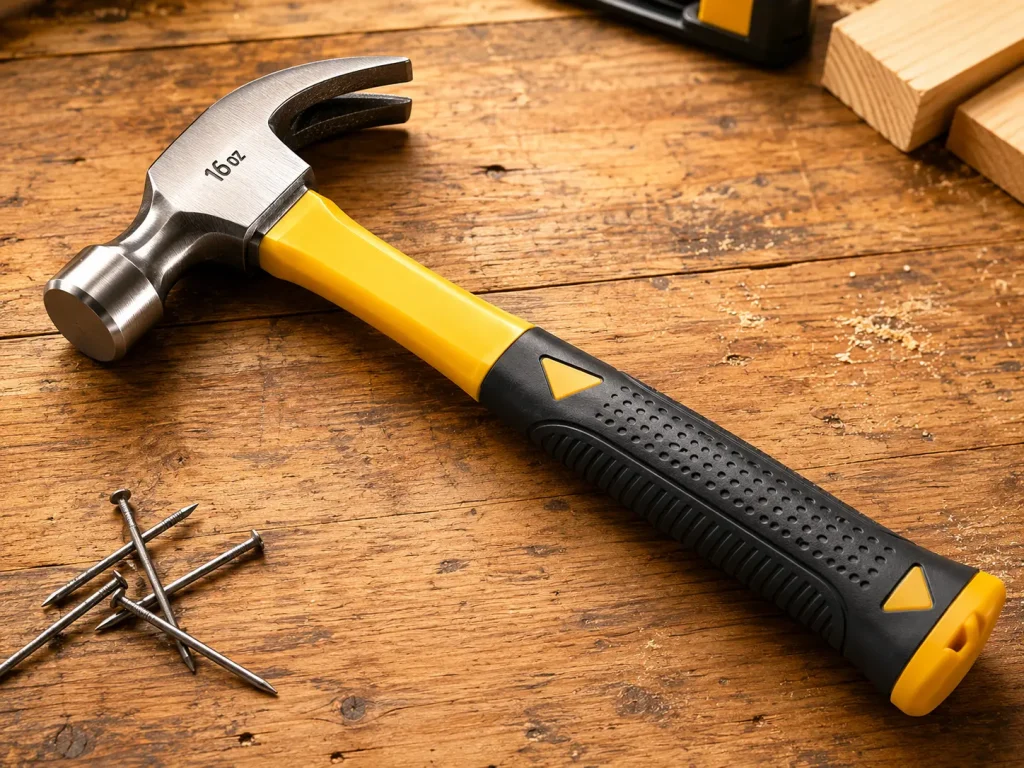
1. Hammer
The most fundamental tool in any home. A good 16-oz claw hammer handles everything from hanging picture frames to pulling stubborn nails from baseboards. Don’t cheap out here — a poorly balanced hammer causes hand fatigue and missed strikes. Look for a fiberglass or steel handle with a comfortable grip. One hammer, owned well, lasts decades.
When you’ll need it: Hanging artwork, assembling furniture, minor demolition, emergency door-frame fixes.
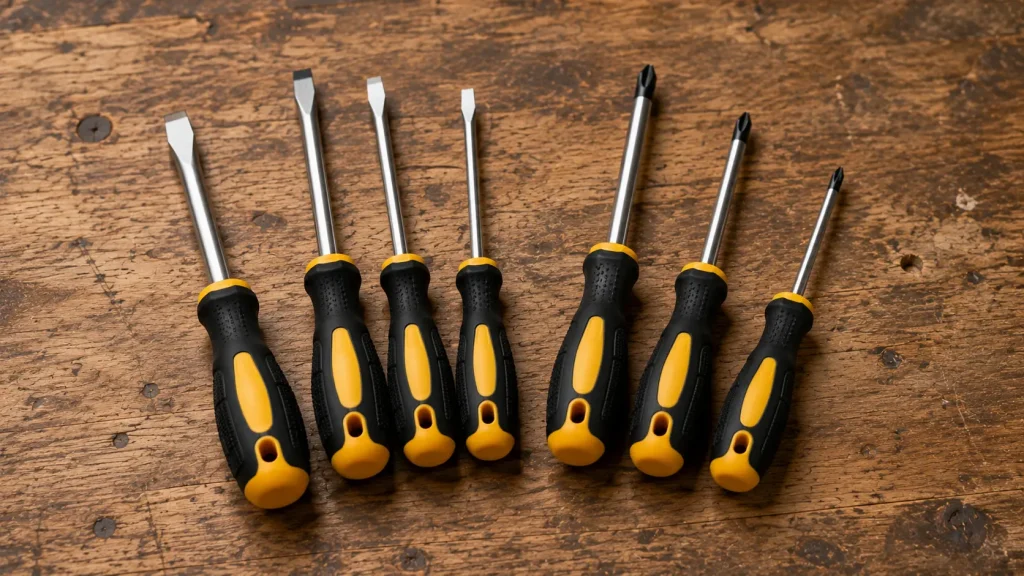
2. Screwdriver Set (Flathead + Phillips, Multiple Sizes)
A single screwdriver won’t cut it. Screws come in many sizes, and using the wrong driver strips the head and turns a 30-second job into a frustrating ordeal. Invest in a set with at least three Phillips sizes (#1, #2, #3) and two flatheads. Better yet, get a multi-bit driver with magnetic tips — it covers most situations in one handle.
When you’ll need it: Tightening cabinet hinges, assembling flat-pack furniture, replacing outlet covers, adjusting door strike plates.
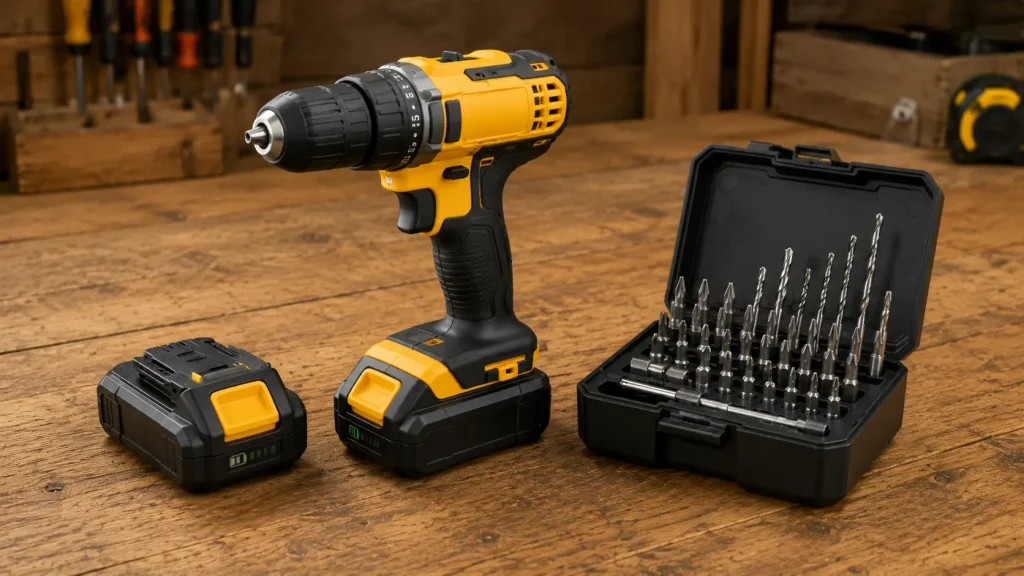
3. Cordless Drill/Driver
If you own only one power tool, make it this one. A cordless drill does everything a screwdriver does, only faster — and it can bore holes through wood, drywall, and plastic. A 12V or 18V model from a reputable brand (DeWalt, Makita, Milwaukee, Ryobi) with two batteries and a basic bit set is all you need. Charge both batteries after every use so one is always ready. Not sure whether you need a drill or an impact driver? They’re not the same tool — and choosing wrong early on is a common mistake.
When you’ll need it: Mounting shelves, installing curtain rods, assembling furniture, drilling holes for cable management.
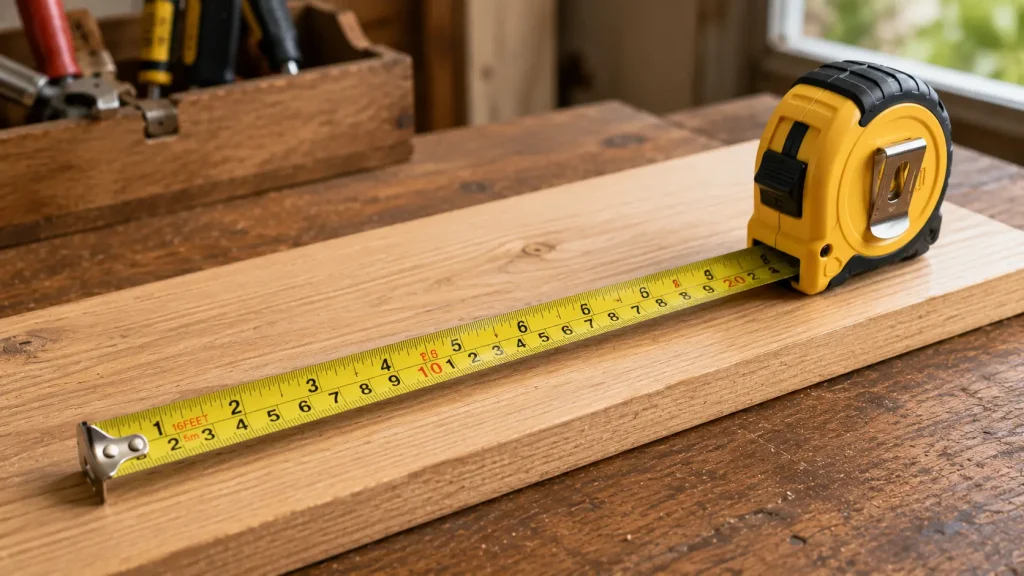
4. Tape Measure
Measure twice, cut once — or more practically, measure before you buy anything for your home. A 25-foot locking tape measure handles furniture placement, window measurements for blinds, and material estimates for projects. The tang (metal hook) at the end is designed to account for its own thickness on both inside and outside measurements; don’t file it off thinking it’s loose — it’s one of several things that trips people up when reading a tape measure.
When you’ll need it: Every time you shop for furniture, plan a project, or hang anything that needs to be centred.
5. Level
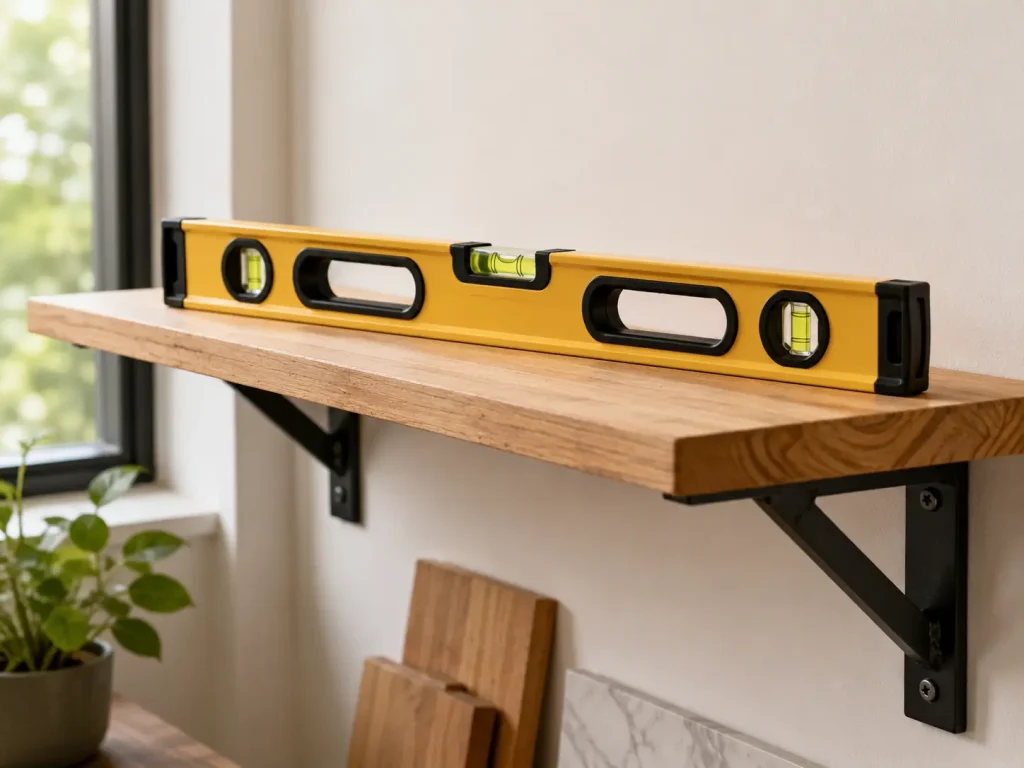
Crooked shelves, lopsided picture frames, and tilted towel bars all have one thing in common: no one used a level. A 24-inch spirit level is versatile enough for most household tasks. Or invest in a small magnetic torpedo level that clips to studs and pipes. Either way, the 30 seconds it takes to check level before you drill saves you from holes in the wrong place.
When you’ll need it: Installing shelves, hanging mirrors and art, mounting TV brackets, setting appliances.
6. Utility Knife
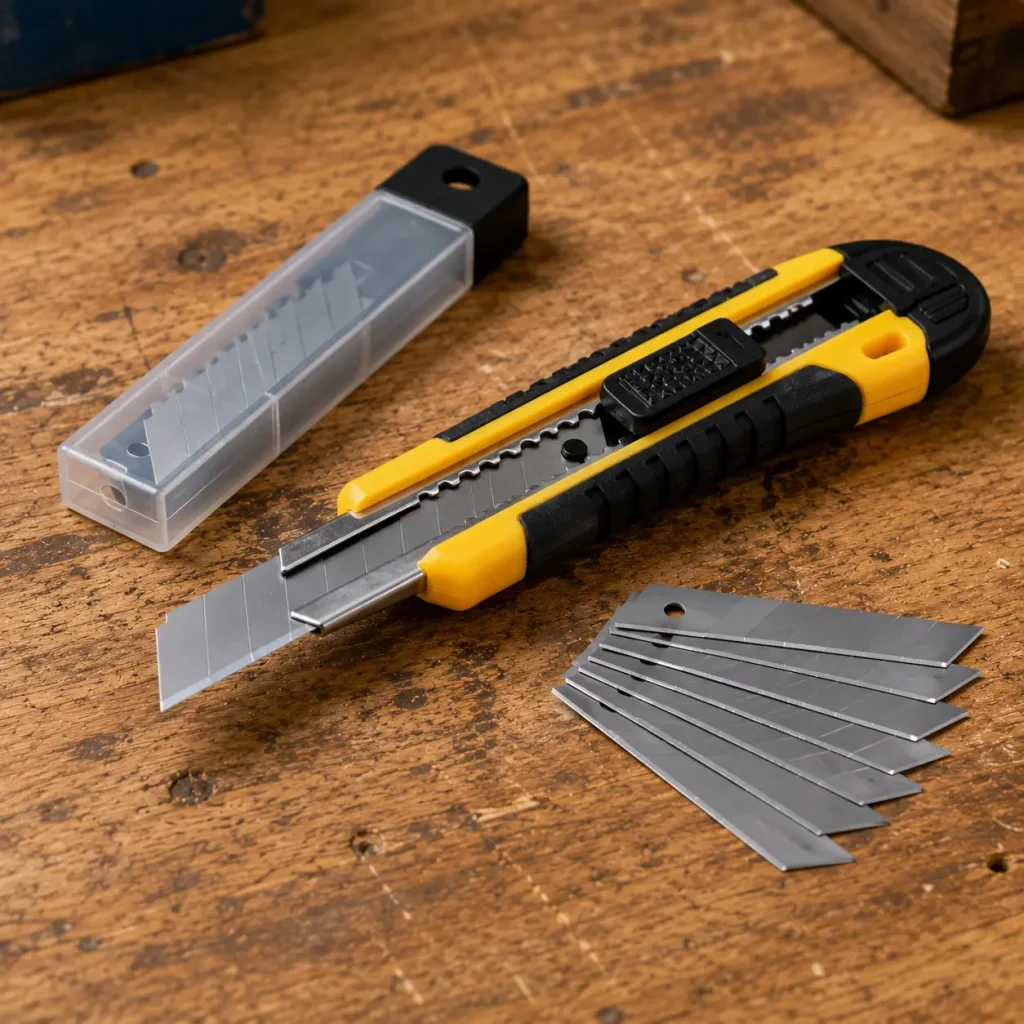
Sharp and versatile, a utility knife handles tasks no scissors or kitchen knife should be trusted with. Opening boxes, scoring drywall, trimming carpet edges, cutting weatherstripping — a good retractable blade knife with spare blades is indispensable. Replace the blade often; a dull blade requires more force and is more dangerous than a sharp one.
When you’ll need it: Moving day, DIY repairs, cutting insulation, opening stubborn packaging.
7. Adjustable Wrench
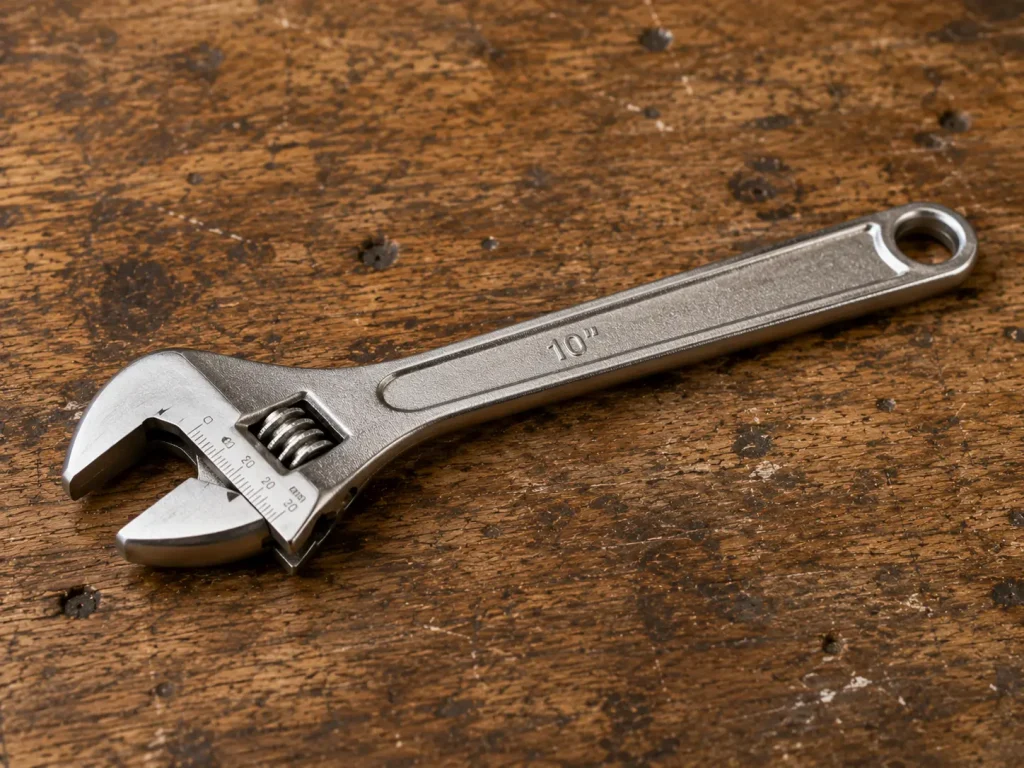
Plumbing problems rarely wait for business hours. An adjustable (crescent) wrench lets you tighten or loosen nuts and bolts without needing a full socket set. A 10-inch wrench handles most household plumbing fittings. Keep one near your under-sink shutoff valves — when a fitting starts dripping, you’ll want it immediately.
When you’ll need it: Tightening loose faucet connections, shutting off supply lines, replacing showerheads, assembling outdoor furniture.
8. Plunger (Cup + Flange)
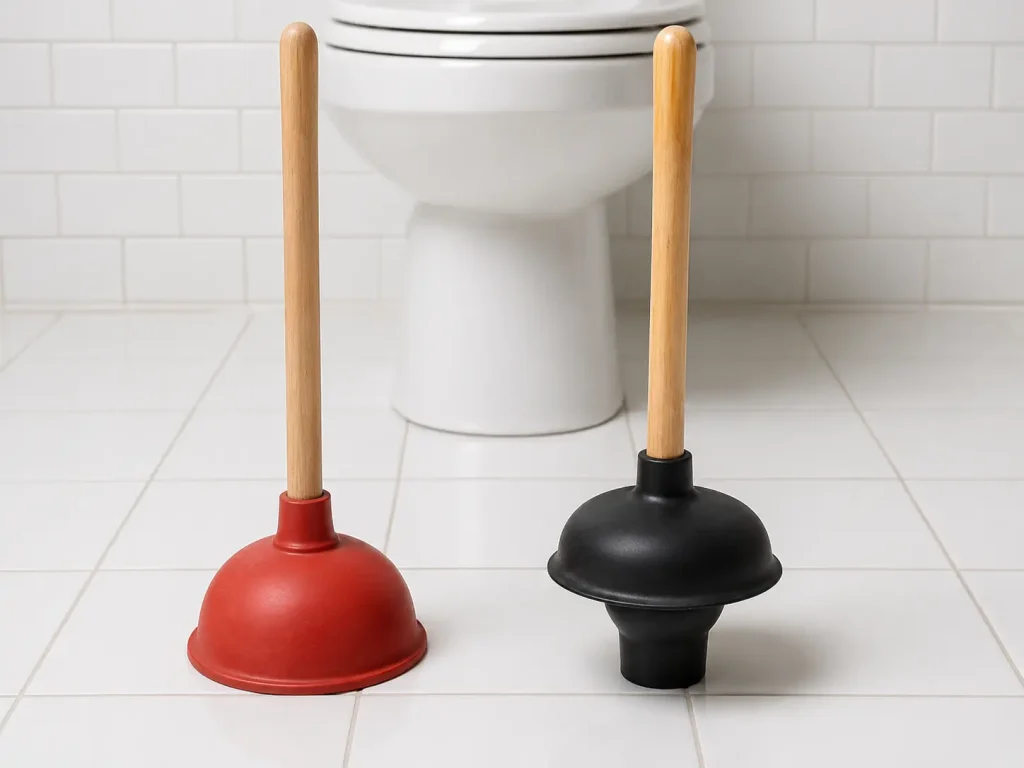
Every home needs two plungers, not one. A cup plunger (the classic flat-bottomed kind) clears sink and tub drains. A flange plunger (with the rubber extension that folds out) creates the seal needed to clear toilet clogs. Using a cup plunger on a toilet is ineffective and messy. Keep both under the bathroom sink — a clogged toilet has terrible timing.
When you’ll need it: The moment you least want to be looking for a plunger.
9. Stud Finder
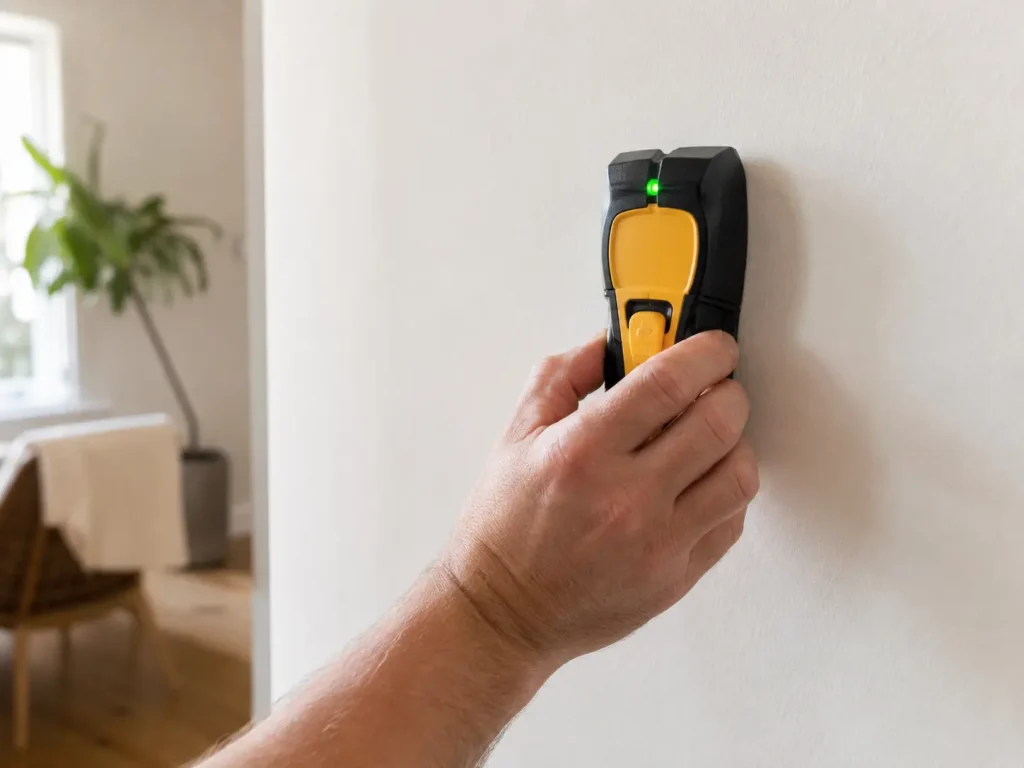
Drywall can hold very little weight on its own. To hang anything heavy — a TV, a large mirror, heavy shelving — you need to anchor into wall studs. A basic electronic stud finder costs under $25 and prevents you from guessing with a nail. Learn to use it by scanning slowly and marking both edges of each stud; the centre is between those marks.
When you’ll need it: Mounting TVs, installing wall anchors for heavy art, adding shelving, securing furniture to walls (important if you have kids).
10. Flashlight or Headlamp
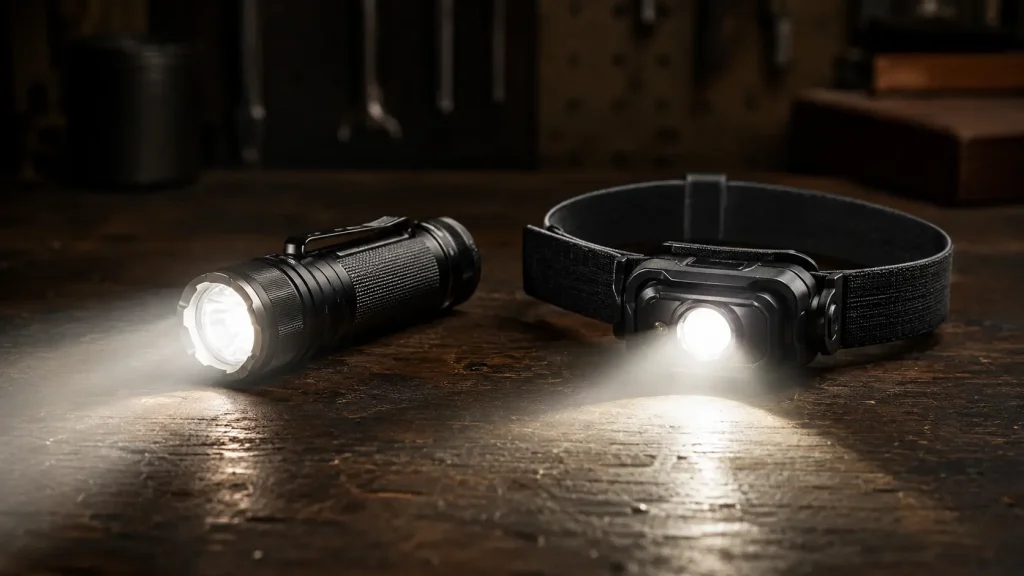
When the power goes out, when you’re working under a sink, or when you need to check the circuit breaker at midnight, your phone’s flashlight isn’t enough. Keep a dedicated flashlight (LED, with fresh batteries) and ideally a headlamp — both hands free is transformative when you’re working in a dark cabinet or crawlspace. Check the batteries twice a year, on the same day you test your smoke detectors.
When you’ll need it: Power outages, inspecting tight spaces, night-time repairs, checking the attic or crawlspace.
Building Your Kit the Smart Way
You don’t need to buy all ten at once. Start with the hammer, screwdriver set, and tape measure — the most-used trio in any home. Add the drill and level next. Fill in the rest as your budget allows, prioritising quality over quantity. A mid-tier tool from a reputable brand will outlast three cheap ones.
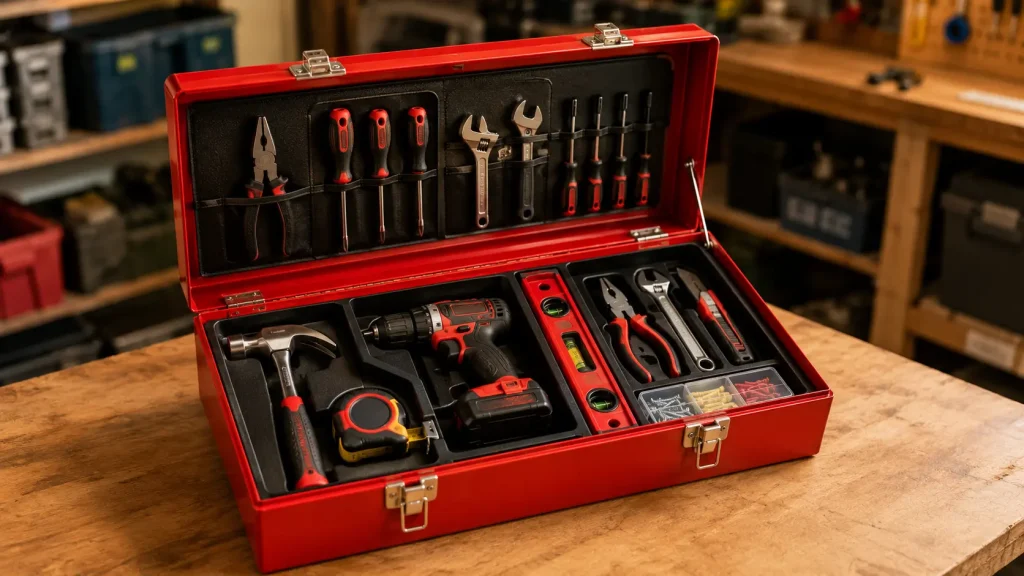
Store everything in one place: a toolbox, a drawer, a designated shelf. The best tool is the one you can find in 30 seconds when something goes wrong.
Home ownership is full of surprises. The right toolkit means fewer of them turn into emergencies.
Ready to build out your home toolkit? Browse our range of essential hand tools and power tools at FixRight — everything you need, none of what you don’t.