

You’ve probably stood in a hardware store staring at two versions of the same tool — one with a cord, one without — wondering if the extra cost for cordless is actually worth it. Or maybe you already own both and still grab the wrong one half the time.
Here’s the truth: for most casual tasks, it doesn’t matter much. But for certain jobs, choosing wrong will cost you time, money, or both. This guide cuts through the noise so you can make the right call every time.
The Core Trade-Off: Power and Consistency vs Freedom and Convenience
Before we get into specific scenarios, it helps to understand what you’re actually trading when you choose one over the other.
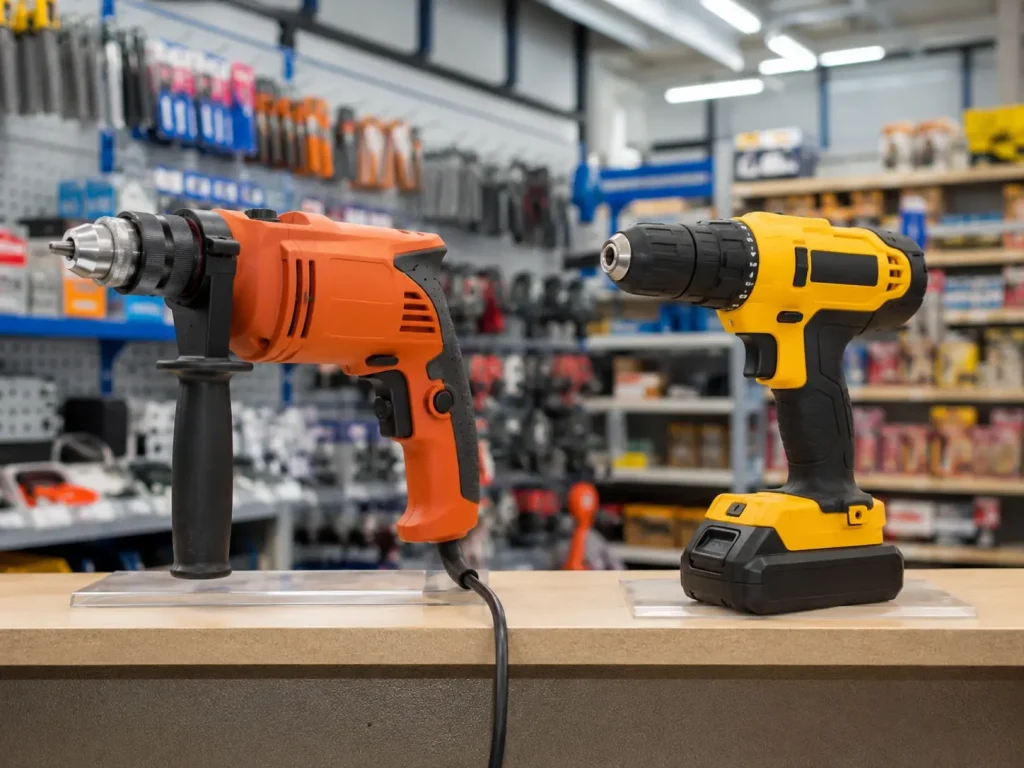
Corded tools draw power directly from the mains. They deliver consistent, uninterrupted power for as long as you need — no battery management, no mid-job shutdowns.
Cordless tools run on rechargeable batteries (typically 18V or 20V lithium-ion in modern tools). They’ve come a long way — today’s premium cordless tools can match or come close to their corded equivalents for most household tasks. But they still have limits.

When Corded Tools Are the Clear Winner
1. Heavy-Duty, Long-Duration Work
If you’re cutting through hardwood all day, grinding metal, or running a circular saw for hours on a construction site — corded is the practical choice. You won’t stop to swap batteries or wait for a charge cycle.
Tasks like:
- Prolonged angle grinding
- Running a router or jigsaw through thick material
- Full-day concrete or masonry drilling
…all benefit from the consistent, unthrottled power that only a corded connection provides.
2. High-Draw Applications
Some tools simply demand more power than a battery can comfortably deliver over time. Corded tools shine here because they don’t taper off as the battery depletes — a common issue with cordless drills and saws during demanding cuts.

3. Stationary Workshop Use
If your tool lives on a workbench and never needs to move — a bench grinder, drill press, or scroll saw — there’s no reason to pay extra for cordless. Plug it in and forget about it.
When Cordless Tools Are the Better Choice
1. Working in Tight or Remote Spaces
Dragging an extension cord into a roof cavity, under a deck, or into a tight cabinet space is a safety hazard and a genuine nuisance. Cordless tools eliminate the trip risk and give you real freedom of movement.
This is where cordless earns its price premium — not just in comfort, but in actual safety.

2. Quick Jobs Around the Home
Hanging shelves, assembling flat-pack furniture, tightening bolts — for short-burst tasks, cordless wins every time. There’s no setup, no cord to manage, and modern 18V batteries handle these jobs comfortably.
For homeowners, a decent cordless drill/driver combo will cover 90% of what you’ll ever do around the house.
3. On-Site and Outdoor Work Without Power Access
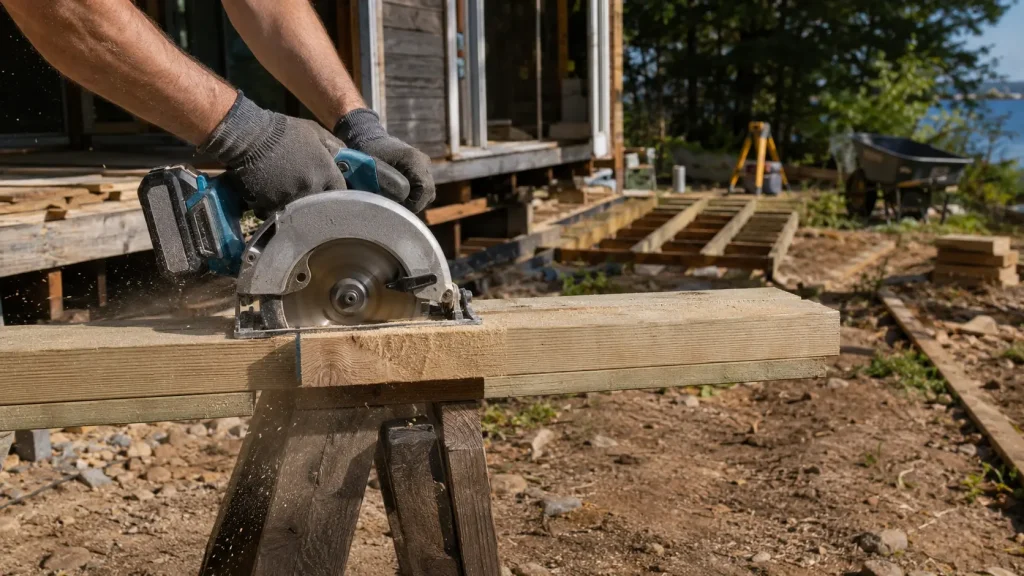
Renovating a remote structure, working in a garden shed without power points, or doing site work before electrical is connected — cordless is your only real option. Just bring a spare battery.
The Grey Zone: Where Either Can Work
For tasks like:
- Drilling through timber framing
- Driving screws into plasterboard
- Light cutting with a jigsaw or reciprocating saw
…a quality cordless tool in the 18V–20V range will perform comparably to a corded equivalent. The distinction becomes more about personal preference, workflow, and whether you already own a compatible battery platform.
If you’re already invested in a battery ecosystem (say, all your tools are on DeWalt 18V or Makita 18V), extending that platform with new cordless tools makes strong financial sense.
What About Battery Technology? Does It Change the Equation?
Yes — and it’s closing the gap. Modern high-capacity lithium-ion batteries (5Ah and above) have significantly improved runtime and reduced the performance drop-off under load. Brushless motor technology has also made cordless tools far more efficient than they were even five years ago.
That said, physics still applies. A battery stores finite energy. For sustained heavy-duty work, a wall socket still wins.
A Practical Decision Framework
Ask yourself these questions before buying or reaching for a tool:
- How long will this job run? Under 30 minutes — cordless is fine. Extended sessions — consider corded.
- Is power access an issue? No nearby socket — cordless only. Stable workshop environment — either works.
- How demanding is the material? Hardwood, concrete, steel — lean corded. Softwood, plasterboard, light metal — cordless handles it.
- Do I already own a battery platform? If yes, stay in that ecosystem unless the job clearly demands corded.
- Is the tool stationary? Stationary and plugged in forever — corded. Moving around the site — cordless.
The Bottom Line
Cordless tools have genuinely earned their place — for most homeowners and light tradespeople, a good cordless kit will handle everything day-to-day. But corded tools haven’t become obsolete. They remain the right choice for demanding, sustained, or high-draw work.
The smartest approach? Own a few key tools in both. A cordless drill/driver and impact driver for everyday use. A corded angle grinder, circular saw, or router for the jobs that really push limits.
Don’t buy based on convenience alone — buy based on what the job actually demands.
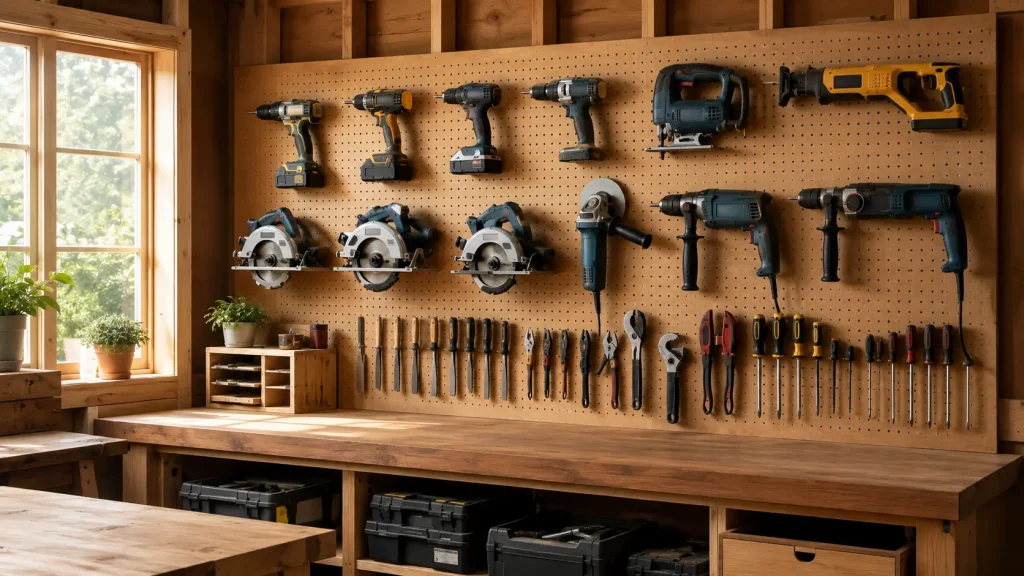
Looking to kit out your workspace with the right tools for the job? Browse our range of corded and cordless power tools or get in touch with our team for a recommendation tailored to your project.