

You step out of bed at 6 a.m., and your floor announces it to the entire household. Or maybe it’s that one spot in the hallway that every family member has memorised and strategically avoids. A squeaky floor is one of those small, persistent annoyances that can feel like a much bigger problem than it is — or, in some cases, actually signal one.
Before you panic or start pulling up floorboards, it helps to understand what’s actually going on beneath your feet. The good news: most squeaky floor causes are completely fixable, and many are a straightforward DIY job.

Why Does My Floor Squeak? The Short Answer
Squeaking happens when two surfaces rub against each other. The sound itself — that creak or groan — is friction. The question is: what is rubbing, and why.
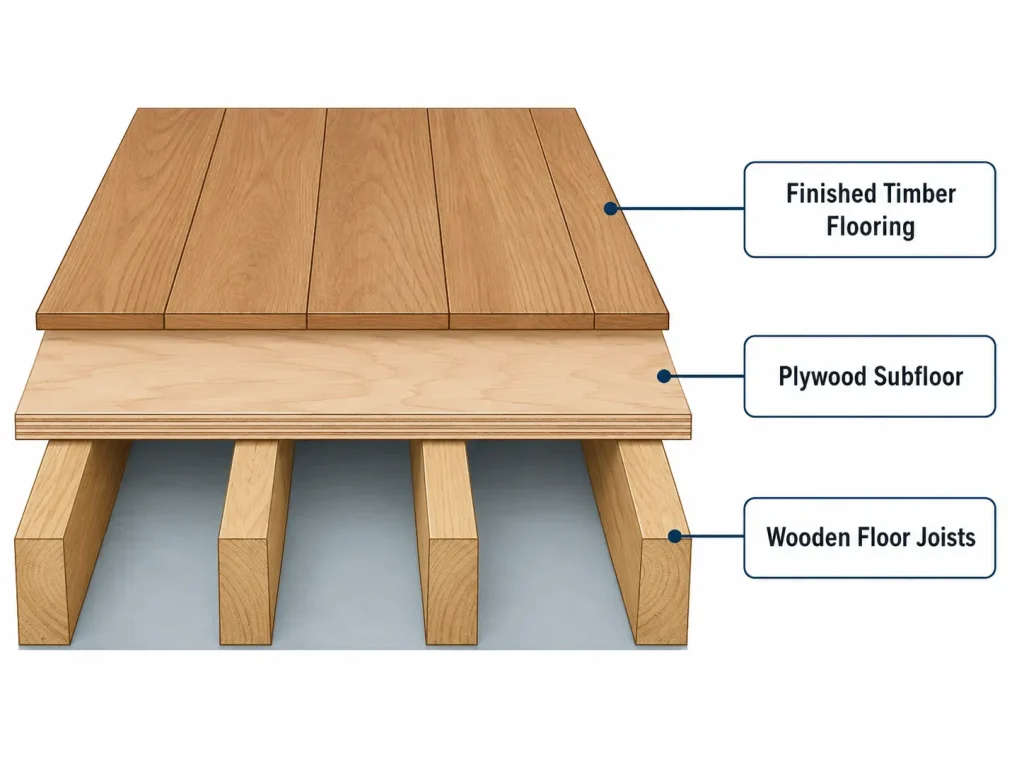
Your floor is made up of multiple layers: the finished surface (tiles, timber, vinyl), a subfloor underneath, and floor joists beneath that. Movement anywhere in this stack can cause a squeak. Pinpointing where in the stack the movement is happening is the first step to fixing it.
The Most Common Squeaky Floor Causes
1. Wood Drying Out and Shrinking
This is the number one reason floors squeak in Malaysian homes — and it’s often overlooked.
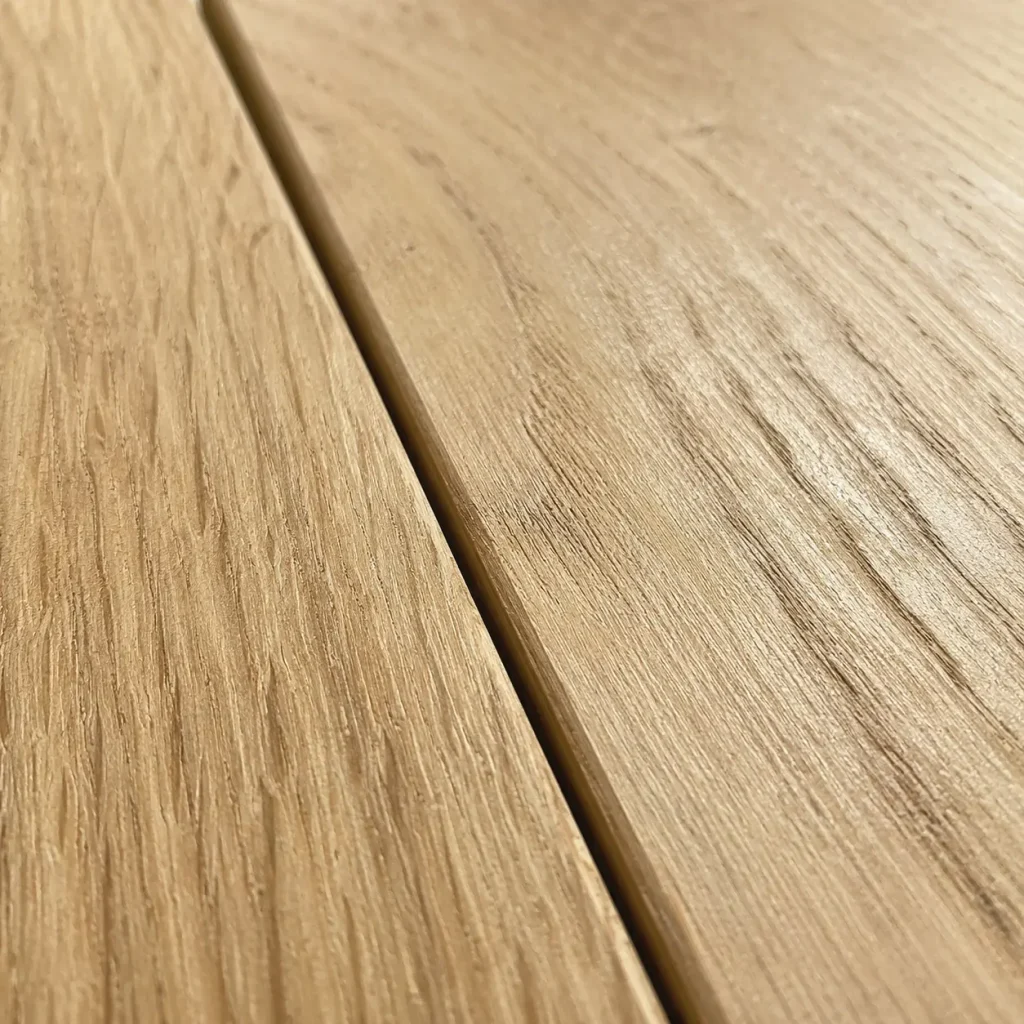
Timber is a living material. It expands when humidity is high and contracts when conditions are drier. Over time, as the wood loses moisture, small gaps open up between floorboards or between the boards and the subfloor. When weight is applied, the boards shift slightly and rub against fasteners, each other, or the subfloor — producing that familiar creak.
This is especially common in homes that run air-conditioning heavily, as AC reduces indoor humidity significantly. If your floor started squeaking after you installed aircon or during a drier season, seasonal wood contraction is likely the culprit.
2. Loose or Popped Nails and Screws
When floors are installed, the boards are nailed or screwed into the subfloor and joists. Over years of use, these fasteners can work themselves loose — especially in high-traffic areas. A board that was once firmly fixed now has just enough play to shift and squeak underfoot.
You may notice the squeaking is localised to a specific spot rather than spread across a wider area. That’s a telltale sign of a loose fastener rather than a structural issue.
3. Subfloor Movement
The subfloor is the structural layer sitting between your finished floor and the joists. In many Malaysian homes, this is made of cement screed, plywood, or particleboard. If the subfloor develops cracks, delamination (in the case of plywood), or shifts due to settling, the finished floor above it loses a stable base — and movement creates noise.
A subfloor issue is often the cause when the squeak covers a wider area or feels more like a “give” underfoot rather than a sharp creak from a single board.
4. Floor Joists That Have Warped or Shrunk
Joists are the structural beams running below your subfloor. Over time — especially in humid climates like Malaysia’s — they can warp, twist, or shrink. When a joist no longer sits flush against the subfloor, a gap forms. The subfloor flexes into that gap with every footstep, producing a squeak.
This is less common than the other causes but worth knowing about, especially in older homes or properties that have experienced water ingress.
5. Two Surfaces Simply Rubbing Together
Sometimes the cause is as simple as two boards that weren’t quite aligned during installation, or debris (dust, grit) that has worked its way into gaps between boards. The abrasion produces a squeak — one that’s usually higher-pitched and sharper than a joist or subfloor issue.
Running a thin blade or piece of card along a joint to clear out debris is often all it takes.
How to Tell Which Cause You’re Dealing With
Before reaching for a fix, a quick diagnosis will save you a lot of time.
| Symptom | Likely Cause |
|---|---|
| Squeak in one small spot | Loose nail or screw |
| Squeak across a wider area | Subfloor or joist issue |
| Squeak worse in dry season or with aircon | Wood shrinkage |
| High-pitched squeak along a board edge | Boards rubbing together |
| Floor feels “springy” or soft underfoot | Subfloor delamination or joist gap |
Walk the floor systematically and note exactly where the squeak occurs. Having someone walk while you observe from below (if you have access under the floor) is even better — you can often see or hear where the movement is happening.

Squeaky Floor Fixes You Can Try Yourself
For Loose Fasteners
If you have access from below, drive screws up through the subfloor into the finished floor — but make sure to use the right length to avoid breaking through the surface. Short speciality screws designed for this job (often called “squeaky floor screws” or “subfloor screws”) grip the floorboard and pull it tight to the subfloor.
From above, you can countersink a screw through the finished board into the subfloor, then fill the hole with a colour-matched filler or putty.
For Wood Shrinkage
Powdered graphite or talcum powder worked into the gaps between boards can reduce friction and silence the squeak. It’s not a permanent fix, but it’s fast, clean, and non-invasive. For a longer-term solution, raising indoor humidity slightly (or reducing heavy aircon use) can help the wood stabilise.
For Boards Rubbing Together
Work a thin lubricant — graphite powder, beeswax, or even a bar of soap — along the joint where two boards meet. Sweep it in, apply gentle foot pressure, and repeat. This is often enough to eliminate the friction causing the noise.

For Subfloor or Joist Issues
These are the more involved repairs. A loose joist can be shimmed from below — a thin wooden shim or construction adhesive applied into the gap between the joist and subfloor eliminates the flex. Subfloor delamination or significant cracking usually requires professional assessment and may involve section replacement.
If you’re not sure what you’re dealing with, or the squeak is accompanied by visible floor movement, soft spots, or bouncing, it’s worth getting a professional to take a look.
When to Call a Professional
Most squeaky floors are cosmetic annoyances, not structural warnings. But there are situations where professional help is the right call:
- The floor feels noticeably soft, springy, or bouncy over a wide area
- You can see visible cracks, gaps, or separation in the floor structure
- The squeak appeared suddenly after a flood, leak, or pipe burst
- DIY fixes haven’t made a difference
Water damage in particular can compromise joists and subfloor integrity faster than most homeowners expect. If there’s any chance moisture is involved, don’t delay.

The Bottom Line
A squeaky floor is almost always a friction problem — two surfaces moving where they shouldn’t be. The cause is usually one of five things: wood shrinkage, loose fasteners, subfloor movement, joist gaps, or boards rubbing together. Most of these have straightforward fixes that don’t require tearing up your floor.
The key is to diagnose before you fix. Spend five minutes walking the floor, mapping the squeak, and observing the pattern — and you’ll have a much clearer picture of what’s actually going on beneath your feet.
If you’re in Malaysia and dealing with a squeaky floor that won’t quit, connect with a trusted local tradesperson through FixRight to get the right diagnosis and a clean, lasting fix.