

That constant hissing sound coming from your bathroom isn’t just annoying — it’s costing you real money. A running toilet cistern can waste between 200 to 400 litres of water every single hour. At Syabas or Air Selangor rates, that quietly adds hundreds of ringgit to your water bill every month.
Here’s the better news: in most cases, you can fix a running toilet yourself in under 30 minutes, using parts that cost less than RM50 from Mr DIY, ACE Hardware, or your local kedai besi. No plumber required.
This guide walks you through the three most common causes of a running toilet and how to fix each one — step by step.
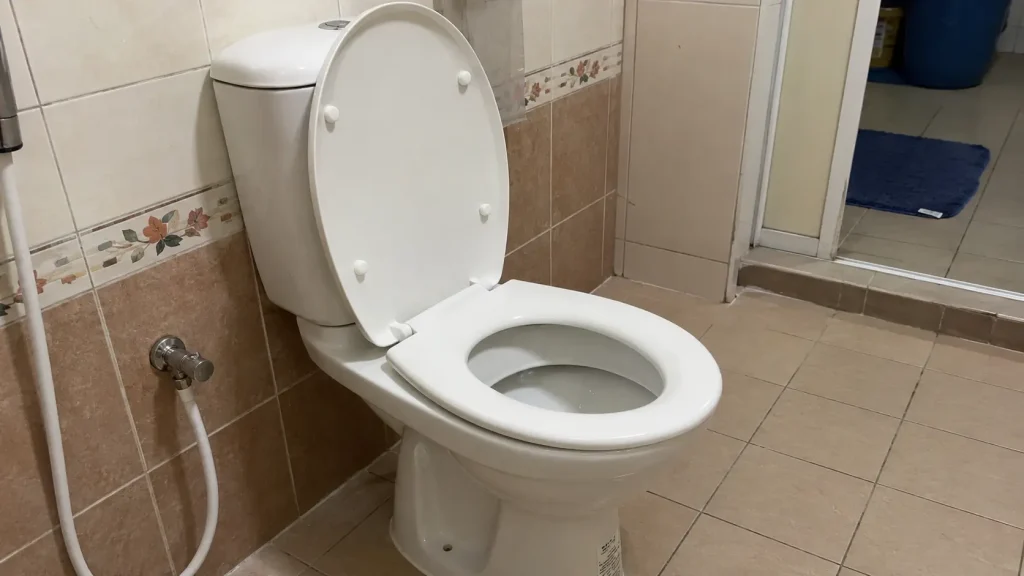
First: Is Your Toilet Actually Running?
The most obvious sign is a continuous hissing or trickling sound from the cistern (the tank at the back of your toilet), even long after the last flush.
Not sure? Try this quick test: drop a few drips of food colouring into the cistern and wait 10 minutes without flushing. If colour appears in the toilet bowl, water is definitely leaking through — and your toilet is running.
Why Won’t My Toilet Stop Running? The 3 Main Causes
Everything you need to check is inside the cistern. Lift the lid straight off — it just rests on top. Don’t worry, the water inside is clean.
1. Worn or Warped Flapper
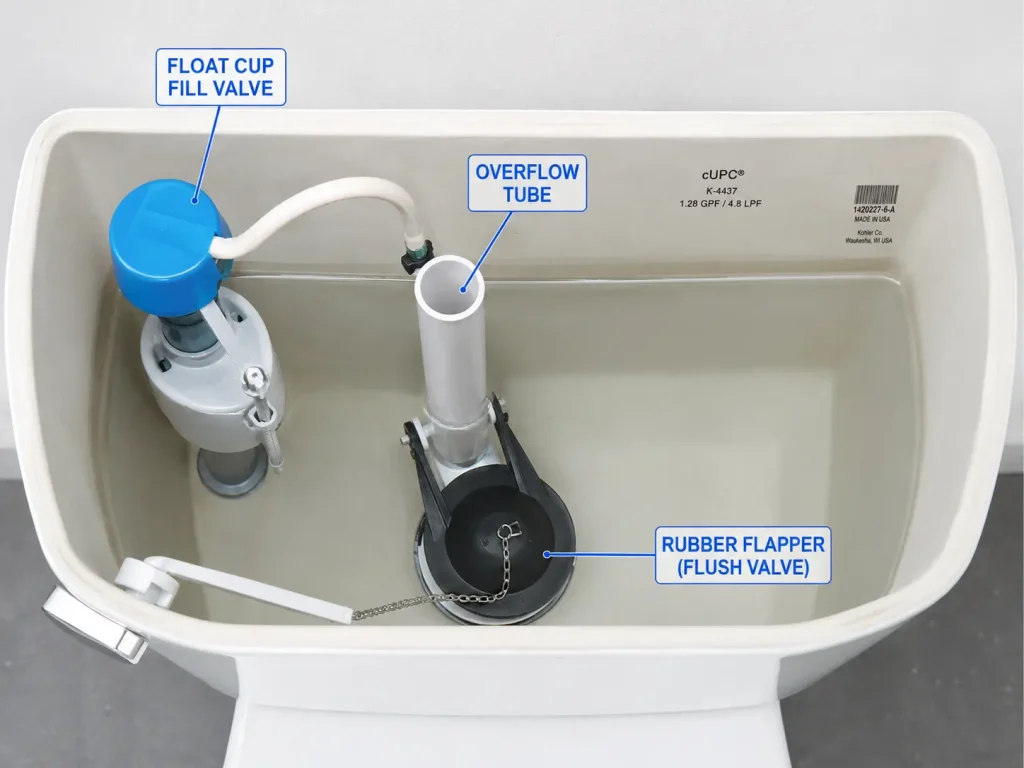
The flapper is a rubber seal at the bottom of the cistern that covers the flush valve opening. When you flush, it lifts to let water rush into the bowl, then falls back down to seal the tank for refilling.
Over time — especially in Malaysia’s high-humidity climate — rubber flappers harden, warp, or build up mineral deposits. When they no longer seal cleanly, water trickles continuously from the cistern into the bowl.
This is the most common cause of a running toilet. It’s also the cheapest fix.
2. Float Set Too High
The float rises with the water level in the cistern and signals the fill valve to stop once the water reaches the correct height. If the float is set too high, water rises above the overflow tube (a vertical pipe inside the cistern) and constantly drains into it.
You’ll see water silently flowing down that overflow tube — the cistern never fully fills, and the fill valve never shuts off. This is a free fix — just an adjustment.
3. Faulty Fill Valve
The fill valve is the tall mechanism on the left side of the cistern that controls water entering the tank. After years of use, the internal seal or diaphragm wears out, causing continuous running or an inability to shut off completely.
If adjusting the float doesn’t help and the flapper is fine, the fill valve is likely the issue.
What You’ll Need (Total Under RM50)
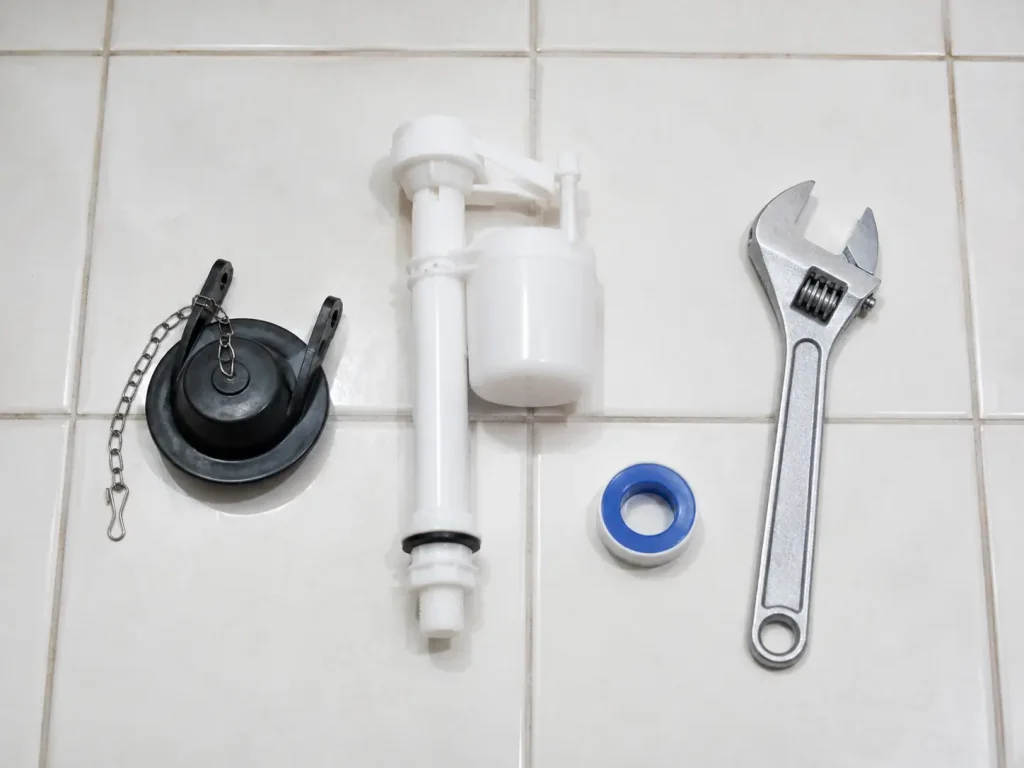
| Item | Where to Buy | Estimated Cost |
|---|---|---|
| Replacement flapper | Mr DIY, ACE Hardware | RM5–RM15 |
| Fill valve (if needed) | Mr DIY, ACE Hardware | RM15–RM30 |
| Thread tape (PTFE) | Mr DIY | RM3–RM5 |
| Adjustable wrench | Already own one | — |
| Sponge or old towel | Already at home | — |
Not sure if you have the right tools at home? Our guide on the 10 tools every homeowner should own covers the basics — an adjustable wrench is one of them.
Step-by-Step: How to Fix a Running Toilet
Step 1 — Shut Off the Water Supply
Before touching anything, find the angle valve — the small tap on the pipe coming out of the wall behind or beside your toilet. Turn it clockwise until it stops. This cuts the water supply to the cistern.
Flush the toilet once to empty the tank, then use a sponge to mop up the remaining water at the bottom.
Step 2 — Fix the Flapper
This is where to start. It solves the problem in the majority of cases.
- Unhook the old flapper from the two pegs on either side of the flush valve seat.
- Disconnect the chain linking it to the flush handle lever.
- Take the old flapper with you to the hardware store — flappers aren’t universal. Matching the size matters.
- Hook the new flapper onto the same pegs and reattach the chain. Leave a small amount of slack — too tight and the flapper won’t seal; too loose and it won’t lift when you flush.
- Turn the water back on and flush a few times to test.
Use the food colouring test again to confirm. If the bowl stays clear, you’re done.
Step 3 — Adjust the Float
Look at the water level in your filled cistern. It should sit about 2–3 cm below the top of the overflow tube. If water is running into or near the overflow tube, the float is set too high.
Modern float cup fill valve: Pinch the spring clip on the float and slide it down the fill valve shaft to lower the cut-off point. Some models have a small adjustment screw at the top — turn it anti-clockwise to lower the water level.
Older ball float style: Gently bend the float arm downward, or use the adjustment screw if your model has one. This drops the point at which the fill valve shuts off.
Turn the water on, let the cistern refill, and watch whether the fill valve shuts off cleanly without water spilling into the overflow tube.
Step 4 — Replace the Fill Valve
If adjusting the float doesn’t stop the running, replace the fill valve entirely:
- With the water off and cistern empty, reach underneath the cistern (outside, at the bottom) and unscrew the plastic locknut holding the fill valve in place. An adjustable wrench makes this easy.
- Pull the old fill valve out from inside the cistern.
- Drop the new fill valve in and hand-tighten the locknut from underneath — finger-tight plus a quarter turn with the wrench is enough. Don’t overtighten or you’ll crack the porcelain.
- Reconnect the water supply tube to the bottom of the new fill valve.
- Adjust the float on the new valve so the water level sits 2–3 cm below the overflow tube.
- Turn the water on slowly and watch for any drips around the base of the valve.

How to Confirm the Fix Worked
Run the food colouring test one final time:
- Drop a few drips into the cistern.
- Wait 10 minutes without flushing.
- If the bowl water stays completely clear, the toilet is no longer running.
You should also hear complete silence once the cistern finishes refilling after a flush — no hissing, no trickling.
When You Should Call a Plumber
This repair is well within reach for most homeowners, but there are situations where a professional makes more sense:
- The angle valve is seized — if the shut-off valve behind the toilet won’t turn, don’t force it. A seized valve needs a plumber.
- The cistern is cracked — no amount of new parts will fix a cracked tank.
- Fittings are heavily corroded — if old fittings won’t come apart safely, a plumber can assess whether the whole unit needs replacing.
- You’ve replaced both the flapper and fill valve and it’s still running — there may be damage to the flush valve seat itself, which is more involved work.

Fix It Once, Fix It Right
A running toilet is one of those problems that’s easy to put off — until the water bill arrives. The parts cost less than RM50, the fix takes under an hour, and once you’ve done it once you’ll recognise the symptoms immediately if it ever happens again.
If you’ve got other plumbing problems in the same bathroom, our guides on how to fix a leaky faucet without calling a plumber and how to fix a leaking bidet spray hose cover the other most common culprits — both just as DIY-friendly and just as affordable.